Best Bath Rug Options for 2026 What to Consider?
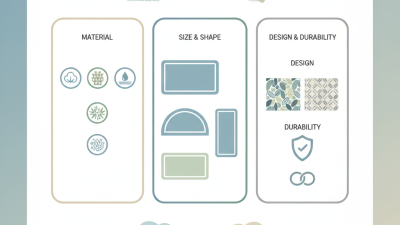
When it comes to enhancing your bathroom's comfort and style, the right bath rug can make a significant difference. In 2026, various options flood the market, each promising to add warmth underfoot while complementing your decor. Choosing the best bath rug requires more than just aesthetics. It’s essential to consider the material, absorbency, and safety features.
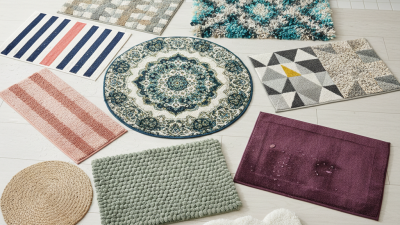
Bath rugs come in different styles and sizes. Some may fit perfectly in a cozy space, while others might make a grand statement. However, it's not just about looks. Durability is crucial. A bath rug should withstand daily wear without losing its charm. You might find that certain materials retain water better than others. This can lead to mold and mildew if not chosen wisely.
Reflecting on your needs is vital too. Do you prioritize softness? Or is easy cleaning more critical? Each choice has its advantages and drawbacks. The best bath rug for you might not be the best fit for someone else. Understanding these nuances will guide your decision, leading you to a bath rug that not only enhances your bathroom but also fits your lifestyle.
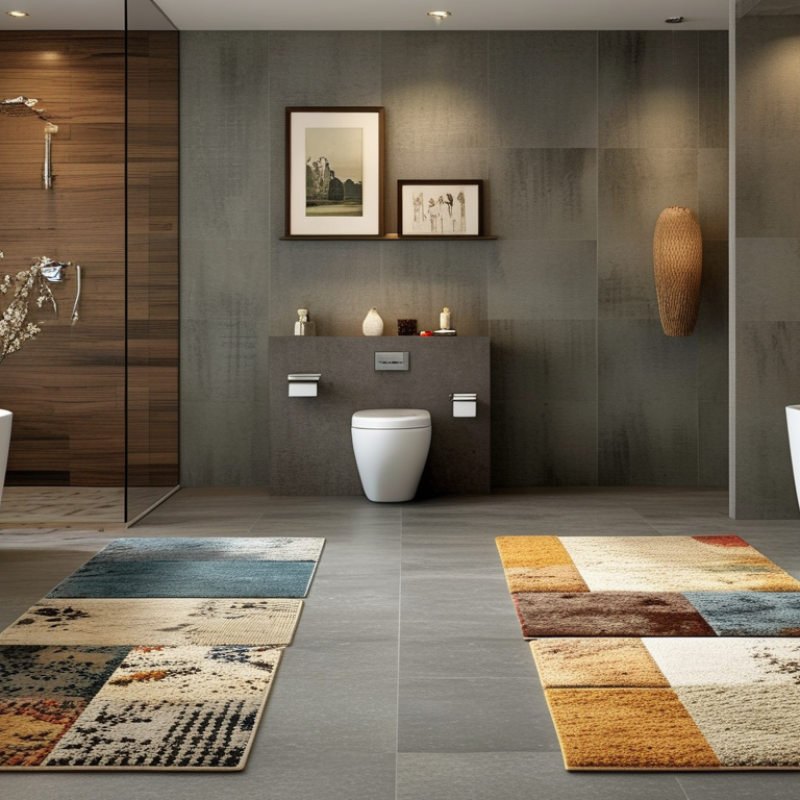
What Materials Are Most Suitable for Bath Rugs in 2026?
When selecting bath rugs for 2026, material choice is paramount. Research from the Home Textile Association indicates that cotton and microfiber remain popular due to their absorbency and comfort. Cotton rugs offer natural softness and durability, making them ideal for high-traffic bathrooms. Microfiber, on the other hand, dries quickly and resists mold growth, which is vital in humid environments.
Bamboo and recycled materials are emerging as eco-friendly options. According to a recent study by Greenhouse Insights, 35% of consumers prefer sustainable materials for their home textiles. Bamboo rugs are naturally antibacterial and highly absorbent, appealing to environmentally conscious buyers. However, their maintenance requires careful washing to avoid damage.
In 2026, performance will be key. Rugs need to withstand frequent washing and high moisture while maintaining their aesthetic appeal. Industry reports suggest that rugs with non-slip backs are becoming essential for safety, particularly in households with children or elderly residents. Balancing style, functionality, and eco-friendliness in bath rugs continues to pose challenges for consumers.
Best Bath Rug Options for 2026: Materials Breakdown
Comparative Analysis of Absorbency in Bath Rug Fabrics
When selecting a bath rug, absorbency is a key factor. The material directly influences how well the rug wicks moisture away from your feet. Industry reports indicate cotton and bamboo fibers excel in moisture absorption. Cotton can absorb up to 25 times its weight in water, making it a top contender for those seeking maximum moisture management.
Moreover, synthetics like polyester offer quick drying times, but they may fall short in absorbency. A study from the Textile Research Journal noted that natural fibers retain water better compared to their synthetic counterparts. This highlights the importance of considering material when choosing a bath rug. An absorbent rug can prevent slippery floors, thus enhancing safety in your bathroom.
Additionally, texture plays a crucial role in performance. A plush, thick rug may feel luxurious, yet can take longer to dry. A thinner, flat-weave option dries quickly but might not provide the softness some prefer. Reflecting on personal needs will help guide the right choice. Remember, while aesthetics matter, function cannot be overlooked; the balance between style and practicality is essential for your bathroom's comfort.
Best Bath Rug Options for 2026 What to Consider? - Comparative Analysis of Absorbency in Bath Rug Fabrics
| Fabric Type |
Absorbency (g/m²) |
Drying Time (minutes) |
Durability Rating (1-10) |
Price (USD) |
| Cotton |
520 |
45 |
8 |
25 |
| Microfiber |
600 |
30 |
9 |
20 |
| Bamboo |
550 |
35 |
8 |
30 |
| Memory Foam |
480 |
50 |
7 |
40 |
| Chenille |
530 |
40 |
8 |
28 |
Durability Factors: How Long Should a Bath Rug Last?
When choosing a bath rug, durability is a key factor.
A good bath rug should withstand moisture and high foot traffic. Many rugs may show wear after just a few months. This can be frustrating, especially when you invest in a quality product. Look for materials like cotton and microfiber. These often offer better longevity compared to cheaper alternatives.
Some rugs can fade over time, losing their vibrant colors. This is an important aspect to consider. A rug that maintains its appearance adds value to your bathroom decor. Pay attention to care instructions too. Proper washing and drying can extend the rug's life. However, even high-quality rugs may need replacing every couple of years.
Think about the rug's construction as well. A well-stitched rug typically lasts longer. Avoid those with thin backing or flimsy edges. These often fray quickly. While it’s tempting to choose the cheapest option, this could lead to more frequent replacements. That may not be cost-effective. Investing in a durable bath rug pays off in the long run.
Eco-Friendly Options: Sustainable Materials for Bath Rugs
Choosing eco-friendly bath rugs can enhance your bathroom's aesthetic while promoting sustainability. When considering materials, look for natural fibers like cotton, jute, or bamboo. These options are biodegradable, reducing their environmental impact. Cotton, for instance, offers softness and durability, while jute adds a rustic charm.
Manufacturing processes are crucial. Rugs made from recycled materials play a significant role in reducing waste. Many companies focus on low-impact dyes, which can lessen water pollution. However, it's important to research brands that prioritize ethical practices. Not every manufacturer adheres to sustainable standards, so due diligence is essential.
While aesthetics matter, consider how these rugs fit into your lifestyle. Can they withstand frequent washing? Are they quick-drying? Moist environments can promote mold growth, so having washable options is key. Reflecting on these aspects will ensure your eco-friendly choice enhances not only your bathroom’s beauty but also its functionality.
Design Trends: Aesthetic Considerations for Modern Bathrooms in 2026
In 2026, bathroom design is increasingly focused on creating a serene and stylish environment. Data from the National Kitchen and Bath Association (NKBA) indicates that over 70% of homeowners prioritize aesthetics when renovating their bathrooms. This trend reflects a desire for spaces that evoke comfort and tranquility, turning baths into mini retreats. Natural materials are gaining traction, as they add warmth and texture to the bathroom landscape.
Color palettes are evolving, too. Soft earth tones and muted pastels are popular choices this year. A report by the Interior Design Society (IDS) states that these colors promote relaxation and peace, aligning perfectly with the overall goal of modern bathroom design. Incorporating bath rugs in these hues enhances cohesion and amplifies comfort. Textures play a crucial role, as people seek tactile experiences.
However, not all bath rug choices align with these trends. Many consumers overlook the importance of sustainability and durability. Rugs made of organic materials are better for both the environment and longevity. Yet, the market is flooded with options that may not meet these standards. Consumers often struggle with selecting the best materials, which are both fashionable and functional. This dilemma underscores the need for informed choices when outfitting bathrooms.