How to Choose the Best Diatom Bath Mat for Maximum Absorbency and Comfort
When it comes to enhancing your bathroom experience, one essential item that often goes overlooked is the Diatom Bath Mat. This innovative mat, made from natural diatomaceous earth, offers not only superior absorbency but also unparalleled comfort beneath your feet. Choosing the right Diatom Bath Mat can transform your daily routine, providing a soft, quick-drying surface that helps maintain cleanliness and comfort in one of the most used spaces in your home.
In this guide, we will explore how to select the best Diatom Bath Mat that fits your individual needs, taking into account factors such as thickness, texture, and drying capabilities. Understanding the unique benefits of diatomaceous earth will empower you to make an informed decision, ensuring that you invest in a product that delivers on performance and aesthetics. By the end of this article, you'll be equipped with the knowledge to enhance your bathroom with a Diatom Bath Mat that not only meets but exceeds your expectations, combining functionality with a touch of luxury.
Key Features to Look for in a High-Quality Diatom Bath Mat
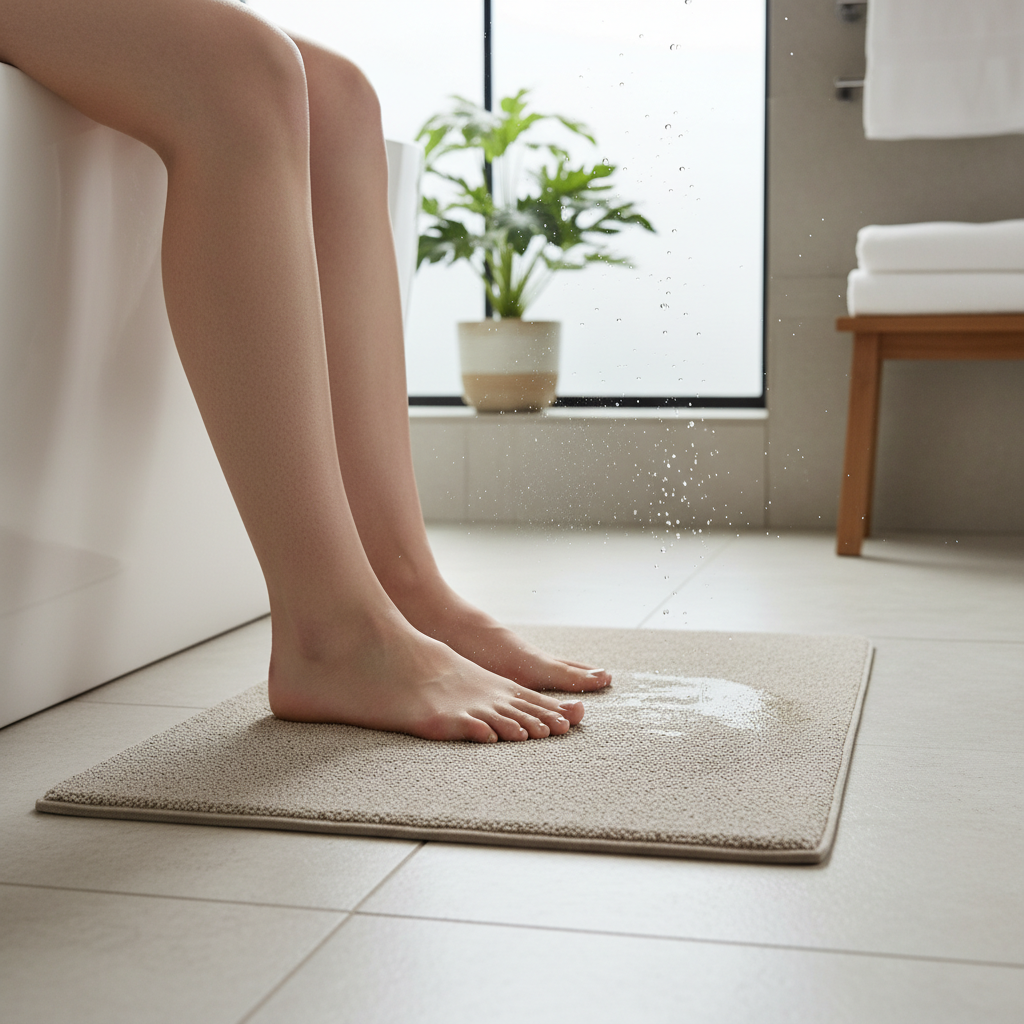
When selecting a high-quality diatom bath mat, there are several key features to consider that enhance both absorbency and comfort. First, look for mats made from natural diatomaceous earth, known for its excellent moisture-absorbing properties. This material can quickly soak up water, ensuring that your bathroom floor stays dry and slip-free. A thick mat tends to offer better absorbency and durability, creating a more effective barrier against water.
Another essential feature is the texture and surface finish of the mat. A soft, smooth surface not only adds to comfort underfoot but also makes cleaning easier. Some mats come with an anti-slip backing, which is vital for safety, especially in wet environments. Lastly, consider the mat’s size and design; it should fit seamlessly in your bathroom while complementing your decor. By focusing on these features, you can choose a diatom bath mat that provides both maximum absorbency and a pleasant, comfortable experience.
Comparative Analysis of Key Features in Diatom Bath Mats
This bar chart illustrates the comparative ratings of essential features to consider when selecting a high-quality diatom bath mat. Each feature, such as absorbency and comfort, has been rated on a scale of 0 to 100, highlighting their significance in overall performance.
Understanding Diatom Material for Enhanced Absorbency
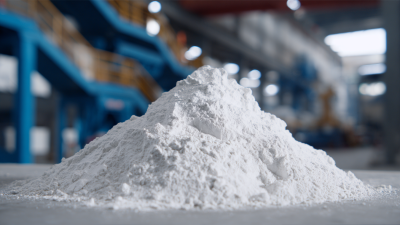
Diatom bath mats are increasingly popular for their unique properties that enhance absorbency and comfort. The key to their effectiveness lies in the material itself—diatomaceous earth, which is a naturally occurring sedimentary rock composed of the fossilized remains of tiny, aquatic organisms called diatoms. This material is highly porous, allowing it to absorb moisture more efficiently than traditional bath mats made from cotton or microfiber. According to a study by the American Cleaning Institute, diatomaceous earth can absorb up to 1.5 times its weight in water, making it an ideal choice for maintaining a dry bathroom environment.
Additionally, diatomaceous earth has remarkable drying capabilities, as it releases moisture back into the air quickly after use. This feature not only helps in preventing mold and mildew but also promotes a more hygienic environment. A report by the Environmental Protection Agency highlights that reducing moisture in living spaces can significantly decrease allergens and bacteria, making diatom mats a beneficial addition to your home. With their absorbent and quick-drying qualities, these mats not only enhance comfort but also contribute to a safer and cleaner living space.
Factors That Affect Comfort Levels in Bath Mats
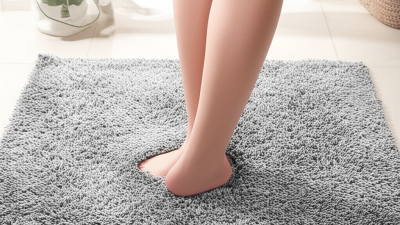
When choosing a diatom bath mat, comfort levels are largely influenced by several key factors. First and foremost, the thickness and density of the mat play a crucial role. A thicker mat typically offers more cushioning underfoot, making it more comfortable to stand on after a shower. However, striking the right balance is essential; overly thick mats may not absorb moisture effectively, compromising their primary function. Additionally, density affects how well the mat supports the weight of users without sinking too deeply, which can lead to discomfort.
Another significant factor is the surface texture of the bath mat. Smooth surfaces may feel sleek and modern but can be slippery when wet, potentially leading to safety concerns. In contrast, a textured surface can enhance grip, providing comfort and stability. Material quality is equally important; diatomaceous earth mats with a soft finish will naturally offer more comfort than those with a rougher texture. Ultimately, when selecting a diatom bath mat, consider these comfort-related aspects to ensure a pleasant and safe post-bath experience.
Comparing Different Sizes and Shapes for Your Space
When selecting a diatom bath mat,
size and shape are critical factors that can significantly impact both functionality
and comfort in your bathroom space. Diatom mats are available in various dimensions and
designs, ranging from compact rectangles to larger circular options. For smaller bathrooms,
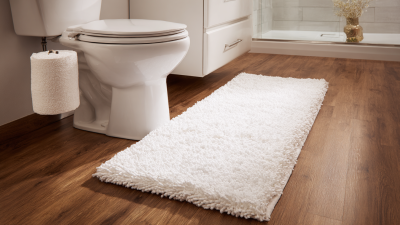
a rectangular mat that fits snugly in front of the sink or bathtub can optimize space while
providing maximum absorbency.
Larger mats, on the other hand, can serve multiple purposes, creating a stylish statement
while covering more floor area for better water absorption.
The shape of the mat can also influence the aesthetic and practicality of your bathroom.
Square or rectangular mats tend to provide a more traditional look, easily coordinating
with standard fixtures. Conversely, round mats can add a touch of elegance
and soften the sharp lines of typical bathroom layouts. Additionally, consider the frequency
of use and the patterns of water flow in your bathroom; a mat positioned to catch water
directly from the shower or tub can prevent slips and enhance comfort underfoot.
Choosing the right size and shape not only elevates the bathroom's overall design but also
maximizes the mat's effectiveness in absorbing moisture.
Tips for Maintaining and Cleaning Your Diatom Bath Mat for Longevity
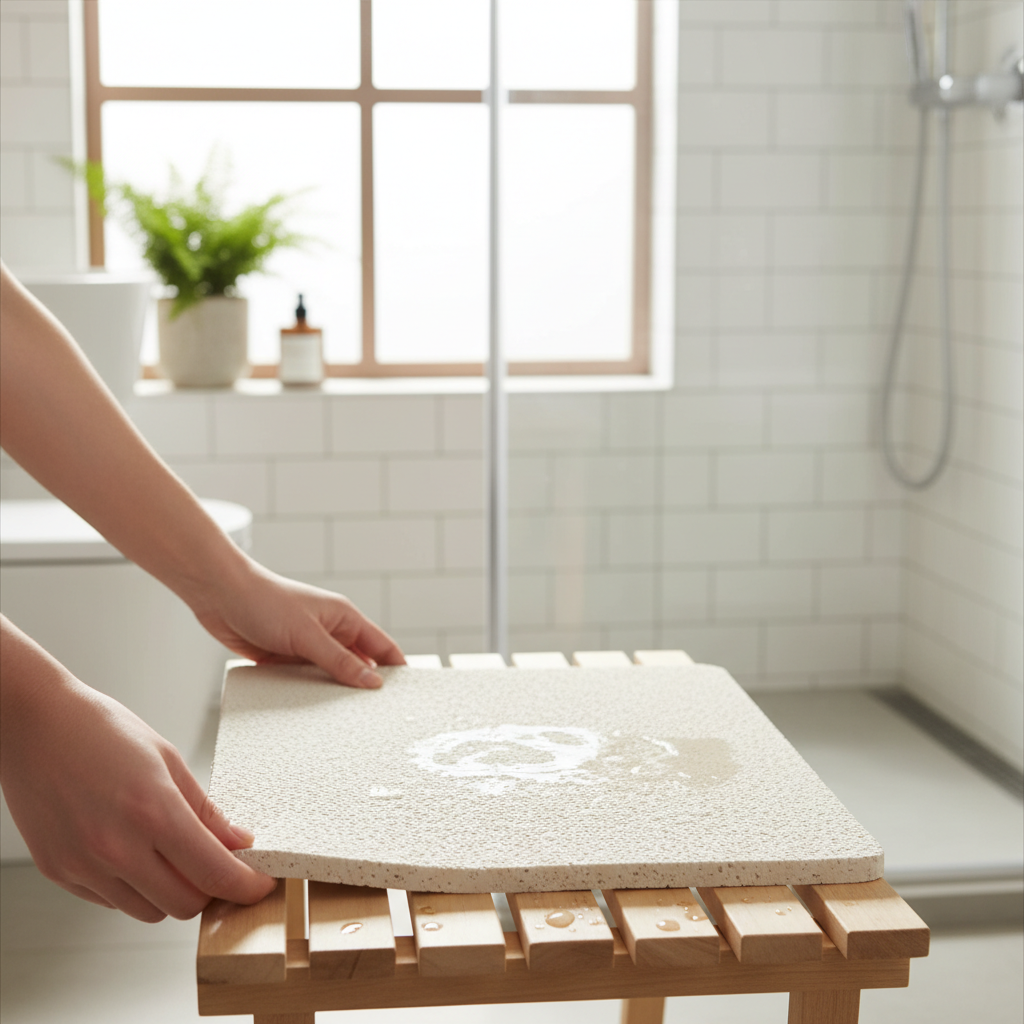
When it comes to maintaining your diatom bath mat for longevity, consistent care and cleaning are key. Firstly, ensure that you regularly dry the mat after each use. Diatom bath mats are designed to absorb moisture quickly, but prolonged exposure to water can lead to mildew or odor. Simply shake off excess water and place the mat in a well-ventilated area to dry effectively.
Another crucial tip is to clean your mat periodically. A gentle wash with warm water and mild soap can help remove any dirt or grime that accumulates over time. Avoid using harsh chemicals or abrasive scrubbing tools, as these can damage the diatom material. After washing, thoroughly rinse the mat and let it air dry completely before placing it back in your bathroom.
Lastly, consider storing your diatom bath mat in a dry place when not in use, especially in humid environments. This will prevent any moisture buildup and help maintain its absorbency and comfort over time. Regular care ensures that your bath mat remains both functional and aesthetically pleasing for years to come.